sheets insulate well
Tin sheets, while widely used in roofing, cladding, and industrial applications, are not inherently known for their insulating properties. Tin is a metal, and like most metals, it is a good conductor of heat, which means it transfers heat rather than retaining or blocking it. As a result, tin sheets alone do not provide effective insulation. Instead, they tend to reflect heat rather than trap it, which can be beneficial in specific situations but insufficient for thermal insulation on its own. To enhance insulation performance, tin sheets are often combined with additional insulating materials.
In roofing applications, tin sheets can help reflect sunlight, reducing heat absorption and keeping interiors cooler in hot climates. This reflective property makes them a popular choice for warehouses, agricultural buildings, and industrial structures where reducing heat buildup is important. However, during colder weather, tin sheets can quickly transfer cold temperatures, which makes them less effective at retaining warmth. Without proper insulation, buildings with tin roofing or siding can become uncomfortably hot in the summer and excessively cold in the winter.
To improve insulation when using tin sheets, it is common to add insulating layers beneath or between the sheets. Materials such as foam boards, fiberglass, or spray foam insulation are frequently used to create a thermal barrier. These insulation materials help reduce heat transfer, making the structure more energy-efficient and comfortable. Reflective foil insulation can also be used alongside tin sheets to further enhance their heat-reflective properties while reducing radiant heat transfer.
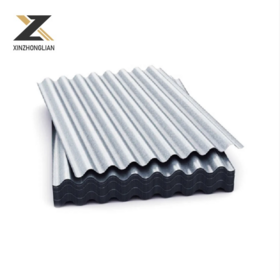
Do tin sheets insulate well?
In addition to thermal insulation, sound insulation is another factor to consider when using tin sheets. On their own, tin sheets offer poor soundproofing capabilities. During rain or hailstorms, the impact on tin roofing can produce significant noise. To reduce noise levels, sound-absorbing insulation materials or underlayment are often installed beneath the tin sheets. This helps dampen the sound and creates a quieter indoor environment.
Moisture control is another consideration when insulating tin sheets. Due to their metal composition, tin sheets can be prone to condensation when exposed to temperature variations. This can lead to moisture buildup and potential corrosion over time. Adding a vapor barrier or insulation with moisture-resistant properties helps prevent condensation issues, extending the lifespan of the tin sheets and maintaining the structural integrity of the building.
Shop online for wholesale tin roofing sheets? Global Sources has a full-scale list of wholesale tin roofing sheets products at factory prices featured by verified wholesalers & manufacturers from China, India, Korea, and other countries to satisfy all the requirements! Standard specification for tin roofing sheets normally has coating weight from 2.8/2.8 to 11.2/11.2 g/m², thickness from 0.15 mm up to 0.50 mm, and width from 600 mm to 1000 mm. Common temper grades are: T1-soft, T3-standard, T4-hard; surface finish could be bright or matte. Standard length of sheets normally ranges from 500 to 1200 mm accordingly to international standards such as ASTM A623, EN 10202 or JIS G3303. Tolerances for dimensions, coating weight and surface quality are given in each specification.