network testing help meet compliance goals
Organizations across industries face increasing pressure to protect sensitive information, maintain secure systems, and demonstrate compliance with regulatory requirements. As cyber threats continue to evolve, businesses must implement effective security practices that align with industry standards and legal obligations. Security assessments play an important role in helping organizations understand their current security posture, identify weaknesses, and take corrective actions that support compliance objectives.
Compliance requirements often require organizations to maintain appropriate security controls, monitor risks, and regularly evaluate their technology environments. While specific regulations differ depending on industry and location, many frameworks emphasize the importance of identifying vulnerabilities and reducing potential security threats. Regular security testing provides valuable insights into whether existing controls are functioning effectively and whether improvements are needed.
Network security assessments can support compliance efforts by identifying weaknesses that may expose sensitive systems or data. Organizations can use assessment results to demonstrate that they are actively managing cybersecurity risks and improving their protective measures. These evaluations provide evidence that security processes are being reviewed regularly rather than relying only on assumptions about system protection.
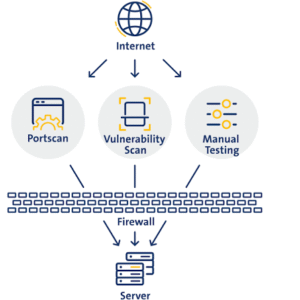
One important method used by organizations to evaluate network security is network penetration testing. This process involves simulating realistic attack scenarios to determine how effectively systems can withstand potential threats. By identifying vulnerabilities, misconfigurations, and access control issues, testing helps businesses understand areas where their security controls may need improvement to better align with compliance expectations.
Compliance standards often require organizations to maintain strong access management practices. Weak passwords, excessive user privileges, and poorly managed accounts can create serious security risks. Security testing helps identify these issues by examining how users and systems interact within the environment. Organizations can then strengthen authentication processes, limit unnecessary access, and improve identity management practices.
Another area where security testing supports compliance goals is vulnerability management. Many compliance frameworks expect organizations to identify, assess, and address security weaknesses regularly. Testing provides detailed information about existing vulnerabilities, allowing teams to prioritize remediation efforts based on risk levels. This structured approach helps organizations demonstrate that they are actively reducing potential threats.
Does network testing help meet compliance goals?
Security assessments also help organizations evaluate whether network segmentation and internal security controls are effective. Many compliance requirements focus on protecting critical systems and limiting unauthorized access. Testing can reveal whether attackers could move between different parts of a network after gaining access. These findings allow businesses to improve segmentation strategies and reduce the possibility of unauthorized access to sensitive resources.
Documentation is another important aspect of compliance. Organizations are often required to maintain records of security activities, assessments, and remediation efforts. Reports generated from security evaluations provide valuable documentation that can support audits and compliance reviews. They show identified risks, corrective actions taken, and improvements made over time.
The value of network penetration testing extends beyond simply identifying technical weaknesses. It provides organizations with practical evidence about how security controls perform against realistic attack techniques. This information allows security teams to make informed decisions and demonstrate that their cybersecurity programs are based on active risk evaluation rather than outdated assumptions.
Organizations should also understand that compliance is not a one-time achievement. Technology environments constantly change due to software updates, cloud adoption, new devices, and business expansion. These changes can introduce new vulnerabilities that affect compliance status. Regular security evaluations help organizations maintain continuous awareness and ensure that protective measures remain effective.
Different industries may have different compliance expectations, but the underlying goal is often similar: protecting information and reducing security risks. Financial institutions, healthcare providers, online businesses, and government organizations all benefit from proactive security assessments. By regularly reviewing their networks, businesses can identify gaps before they become serious problems and maintain stronger security practices.
Preparation is important when using security testing to support compliance objectives. Organizations should define testing scopes, identify critical assets, maintain accurate documentation, and ensure that security teams understand business requirements. Proper planning improves the quality of assessment results and ensures that findings provide meaningful guidance for improving security controls.
Security testing also supports continuous improvement by helping organizations measure progress over time. After vulnerabilities are discovered and resolved, future assessments can verify whether improvements have been effective. This ongoing cycle of evaluation, remediation, and validation strengthens cybersecurity programs and helps organizations remain prepared for changing threats.
Ultimately, network security assessments can play a valuable role in achieving and maintaining compliance goals. They provide visibility into weaknesses, support effective risk management, and generate documentation that demonstrates security commitment. By incorporating regular testing into their cybersecurity strategy, organizations can improve protection, satisfy compliance requirements, and build greater confidence among customers, partners, and stakeholders.